Аварийно-штабные автомобили являются важнейшим оборудованием для реагирования на чрезвычайные ситуации на месте происшествия. Для решения задач связи и управления в самых разных сценариях такие автомобили оснащаются широким спектром коммуникационных устройств, поддерживающих широкополосные и узкополосные сети, голосовые сервисы и видеоприложения. Ключевые сложности аварийно-штабных автомобилей заключаются в интеграции этих разнородных коммуникационных устройств и координации аудио- и видеосервисов в условиях чрезвычайных ситуаций.
Компания Becke Telcom разработала специализированное решение Converged Communication Solution для аварийно-штабных автомобилей, состоящее из четырех основных компонентов: системы конвергентной связи, шлюза ROIP, сервера видеотранскодирования и блока диспетчеризации и управления. Это решение эффективно устраняет актуальные проблемы полевого аварийного управления, включая аудио- и видеовзаимодействие в реальном времени с вышестоящими командными центрами, интеграцию узкополосной и широкополосной связи на месте происшествия, объединение различных видеоресурсов, а также транскодирование и обратную передачу по запросу. Оно в полной мере раскрывает эксплуатационный потенциал аварийно-штабных автомобилей и выводит эффективность оперативного реагирования и управления на новый уровень.
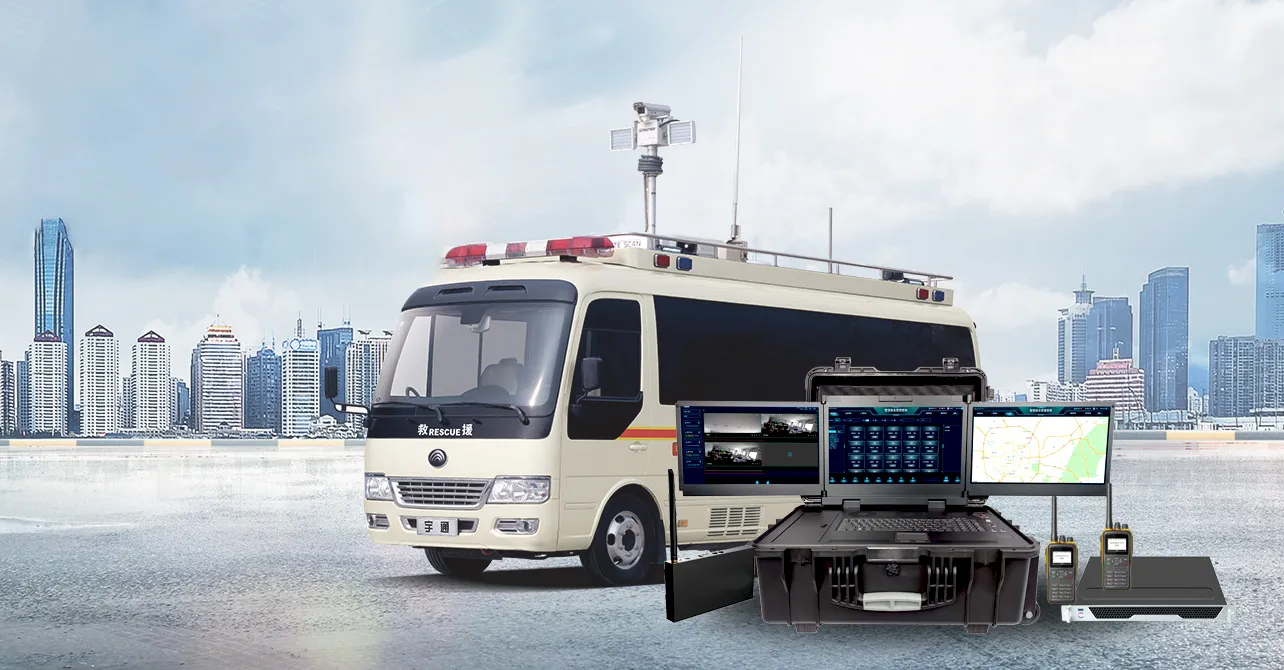
Основные компоненты решения конвергентной связи Becke Telcom’s
Рациональная конструкция и согласованная работа этих четырех основных компонентов формируют техническую основу решения конвергентной связи. Каждый компонент выполняет определенные функциональные задачи и обеспечивает бесшовное взаимодействие, создавая комплексную бортовую экосистему связи и управления.
Система конвергентной связи
Являясь центральным узлом управления всем бортовым решением, система конвергентной связи предоставляет коммутационные возможности на базе SIP и выступает в качестве ключевого узла для всех бортовых сервисов связи. Она поддерживает бесшовную стыковку с вышестоящими платформами командования и диспетчеризации, а также с различными бортовыми шлюзами, и объединяет полный набор основных функций, включая аудио- и видеодиспетчеризацию, двусторонние голосовые вызовы, ROIP-интерком, аудио- и видеозапись, а также хранение видеоданных. Все коммуникационные и командные инструкции в аварийно-штабном автомобиле централизованно координируются и управляются через эту систему, что обеспечивает стандартизацию и централизацию полевых сервисов связи и создает надежную основу для эффективного управления на месте.
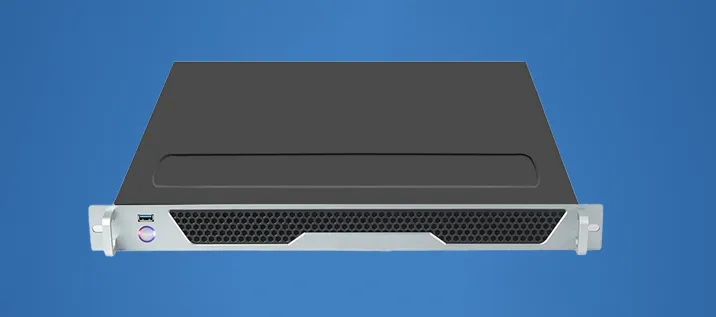
Шлюз ROIP
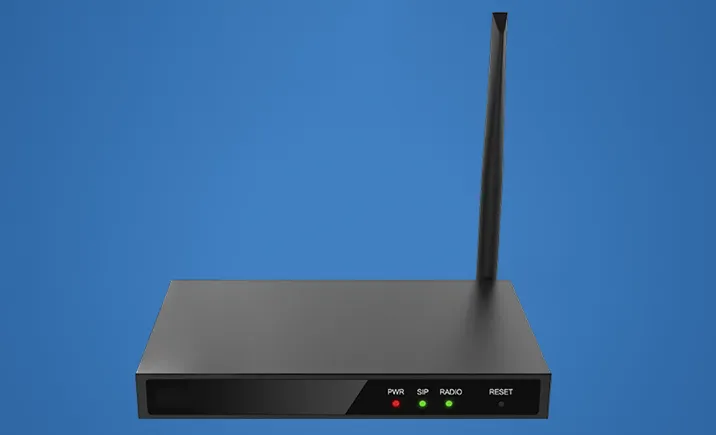
Шлюз ROIP является ключевым компонентом для реализации доступа и интеграции узкополосной связи в аварийно-штабных автомобилях, решая задачи взаимосвязи различных традиционных узкополосных средств связи в аварийных сценариях. Он поддерживает подключение основных узкополосных систем связи, включая VHF/UHF, PDT, DMR, TETRA, коротковолновые радиостанции и авиационные радиостанции, а также обеспечивает бесшовное взаимодействие и обмен данными с другим бортовым оборудованием конвергентной связи. Преобразуя узкополосные радиосигналы в IP-потоки данных, шлюз ROIP устраняет барьеры связи, присущие отдельным узкополосным устройствам, позволяя бортовой системе конвергентной связи централизованно диспетчеризировать и управлять всеми узкополосными ресурсами, а также обеспечивать органичную интеграцию узкополосной связи с другими бортовыми сервисами связи.
Сервер видеотранскодирования
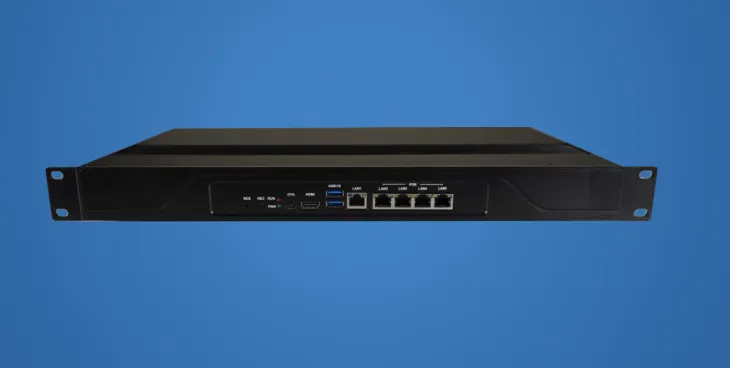
Сервер видеотранскодирования выполняет ключевую задачу по объединению видеоресурсов, адаптации протоколов и преобразованию форматов в аварийно-штабных автомобилях, решая проблему несовместимости видеопротоколов и кодеков в условиях чрезвычайных ситуаций. Он поддерживает подключение по основным видеопротоколам, включая GB/T28181, SIP, RTSP, RTMP, RTP и SRT, а также совместим с основными стандартами видеокодирования H.264 и H.265 для транскодирования в реальном времени. Помимо базовых функций транскодирования, сервер предоставляет и практические возможности обработки видео, такие как слияние видеокартинок, добавление водяных знаков и наложение субтитров, что позволяет настраивать и оптимизировать видеопотоки в соответствии с фактическими потребностями аварийного управления и обеспечивать четкую и стабильную передачу и отображение видео в сложных условиях.
Блок диспетчеризации и управления
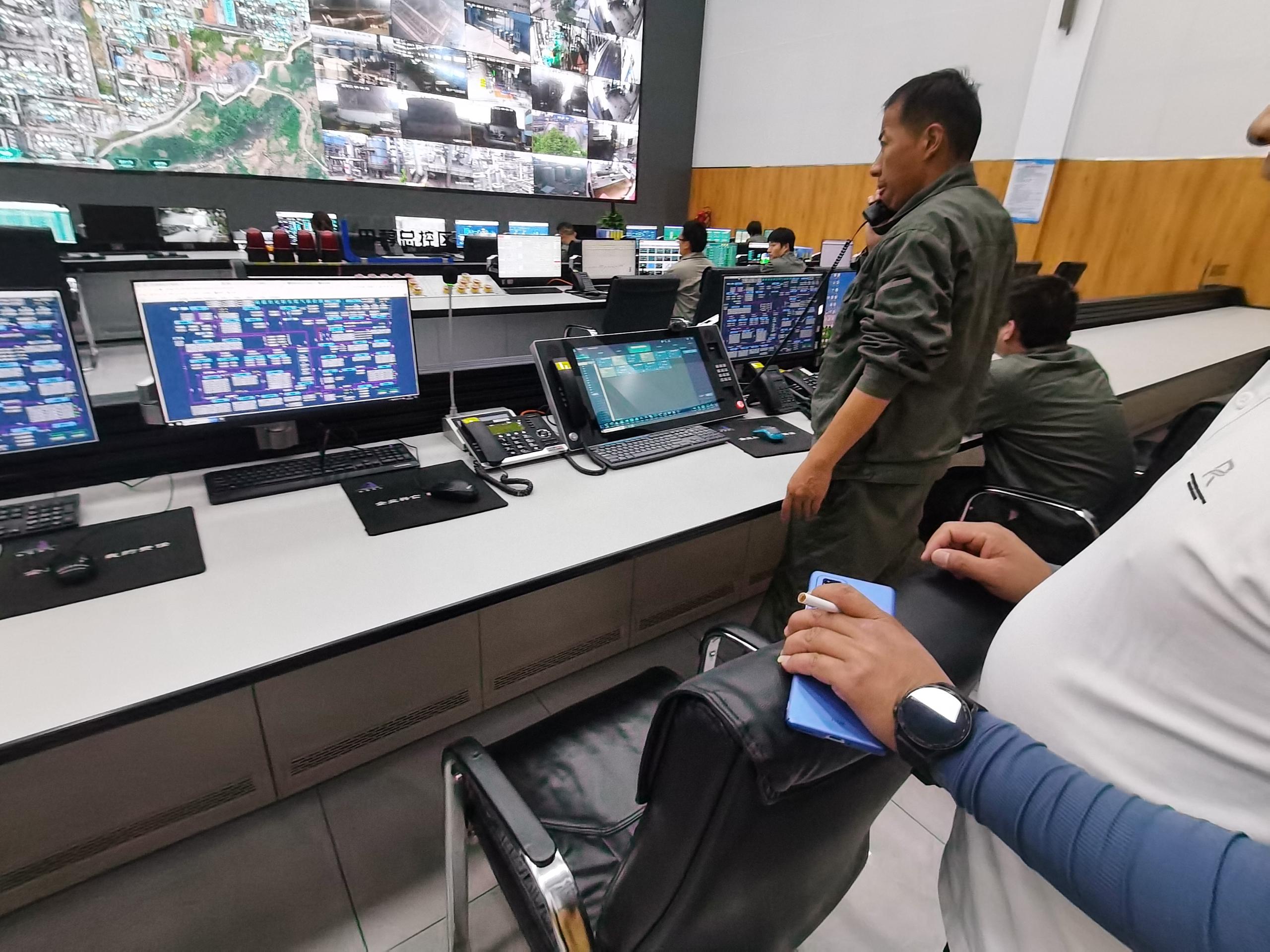
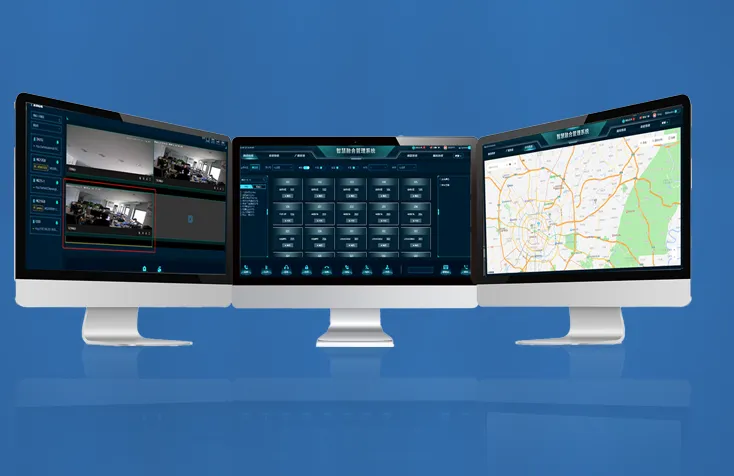
Блок диспетчеризации и управления представляет собой терминал человеко-машинного взаимодействия бортовой системы конвергентной связи, построенный на базе автомобильного компьютера и оснащенный профессиональной системой диспетчеризации с функциями объединения видео. Операторы могут осуществлять централизованное диспетчерское управление всеми бортовыми коммуникационными устройствами через автомобильный компьютер, включая такие основные командные операции, как аудио- и видеодиспетчеризация, прием и передача экстренных распоряжений. Блок поддерживает отображение в реальном времени географической информации о точках чрезвычайных ситуаций и средствах связи на месте, а также оснащен профессиональными картографическими функциями. Операторы могут выполнять зональную диспетчеризацию и распределение ресурсов с помощью выбора и позиционирования на карте, что делает управление на месте более наглядным и эффективным.
Архитектура взаимосвязи и сетевого взаимодействия бортового оборудования
Решение конвергентной связи Becke Telcom’s для аварийно-штабных автомобилей использует гибкую и масштабируемую сетевую архитектуру, которая обеспечивает бесшовное взаимодействие различных бортовых и полевых коммуникационных и видеоустройств, формируя комплексную сеть экстренной связи на месте происшествия с поддержкой спутниковой связи, беспроводной широкополосной связи, узкополосной радиосвязи и выделенных сетей.
Бортовая система подключается к наземным спутниковым станциям через установленное на автомобиле спутниковое оборудование, что позволяет обеспечивать дальнюю и межрегиональную связь с вышестоящими командными центрами в условиях повреждения общественных сетей связи. Система опирается на автомобильные маршрутизаторы 4G/5G и широкополосные ad-hoc сети для построения широкополосного покрытия на месте происшествия, поддерживая высокоскоростную передачу данных с большой пропускной способностью, таких как видео и изображения высокой четкости. Шлюз ROIP подключается к автомобильным радиостанциям DMR, портативным радиостанциям и коротковолновым радиостанциям для интеграции узкополосных ресурсов связи на месте, в то время как сервер видеотранскодирования получает доступ к полевым видеоресурсам, таким как БПЛА, поворотные и управляемые камеры, а также IP-телефоны, обеспечивая объединение всех аудио-, видео- и коммуникационных ресурсов на месте.
Бортовая диспетчерская консоль и командные рабочие места являются ключевыми операционными узлами системы, а интеллектуальные терминалы на месте чрезвычайной ситуации могут подключаться к бортовой системе конвергентной связи через широкополосную ad-hoc сеть, обеспечивая обмен информацией и координацию управления между командным автомобилем и аварийными службами на месте. Вся сетевая архитектура обладает высокой совместимостью и возможностью расширения и может гибко адаптироваться в зависимости от масштаба чрезвычайной ситуации и типа оборудования, удовлетворяя потребности в связи и управлении в различных сценариях реагирования.
Ключевые преимущества развертывания решения конвергентной связи Becke Telcom’s
С учетом высоких требований аварийного управления к оперативности, стабильности и удобству эксплуатации, решение Becke Telcom’s сформировало ряд основных преимуществ благодаря оптимизированной технической архитектуре и интеграции продуктов, что эффективно снижает сложность развертывания бортовых коммуникационных систем и повышает эффективность управления на месте.
Упрощенная модель развертывания
Решение использует интегрированную серверную модель развертывания для всего основного оборудования, обеспечивая готовность к работе без сложной установки и настройки на месте. Все протоколы сопряжения системы и внешние интерфейсы разработаны в соответствии с национальными и отраслевыми стандартами, что значительно снижает технический порог внедрения и интеграции. Интегрированная конструкция также уменьшает объем и энергопотребление бортового оборудования, адаптируясь к ограниченному пространству и условиям электропитания аварийно-штабных автомобилей и обеспечивая быстрое развертывание и запуск системы связи в экстренных условиях.
Конвергенция узкополосной и широкополосной связи
Наиболее заметным преимуществом решения является реализация глубокой интеграции узкополосной и широкополосной связи в чрезвычайных ситуациях. Благодаря технической поддержке шлюза ROIP и системы конвергентной связи устраняется информационный разрыв между традиционными узкополосными средствами связи и современными широкополосными коммуникационными системами, обеспечивается двустороннее взаимодействие и совместное использование данных всеми устройствами связи как в аварийно-штабном автомобиле, так и на месте происшествия. Независимо от того, идет ли речь об узкополосной радиосвязи аварийных служб на месте или о передаче HD-видео по широкополосным каналам, все они могут централизованно диспетчеризироваться и управляться в одной системе, что гарантирует бесперебойную передачу командной и коммуникационной информации.
Комплексные возможности диспетчеризации и управления
Решение объединяет полный набор функций диспетчеризации и управления, необходимых для реагирования на чрезвычайные ситуации на месте, формируя универсальную систему командования и связи, охватывающую голосовую диспетчеризацию, видеодиспетчеризацию, передачу команд и GIS-диспетчеризацию. Оно не только поддерживает базовые функции ROIP-интеркома и аудио-/видеовызовов, но и обеспечивает обратную передачу аудио- и видеоресурсов с места происшествия в вышестоящие командные центры по запросу, позволяя удаленным командирам в реальном времени получать информацию о ситуации и отдавать точные распоряжения. Одна система способна удовлетворить все потребности аварийно-штабного автомобиля в диспетчеризации и связи, устраняя необходимость переключения между несколькими системами и повышая эффективность работы на месте.
Удобный режим эксплуатации
Вся бортовая система разработана с учетом реальных потребностей оперативного управления на месте и отличается простотой эксплуатации оборудования и интуитивно понятным человеко-машинным интерфейсом. Все диспетчерские и управляющие операции могут выполняться через автомобильный компьютер без необходимости в сложной профессиональной подготовке операторов. Система поддерживает отображение информации на карте и операции выбора зон на карте, что позволяет наглядно показывать расположение точек чрезвычайных ситуаций, средств связи и местонахождение персонала, а также выполнять быстрое зональное управление и распределение ресурсов с помощью простых операций на карте, делая командование на месте более эффективным и удобным.
Гибкие возможности подключения видео
Сервер видеотранскодирования в составе решения обладает мощными возможностями подключения и обработки видеосигналов, поддерживая широкий набор видеопротоколов, включая GB/T28181, RTSP, ONVIF, SIP, WebRTC, HTTP_FLV, Websocket_FLV, HLS и RTMP, охватывая практически все основные протоколы передачи и подключения видео, используемые в отрасли. Он позволяет в реальном времени настраивать такие параметры видео, как частота кадров, битрейт и разрешение, в зависимости от сетевых условий на месте происшествия и требований к передаче видеоданных, обеспечивая плавную и стабильную передачу видеопотоков при различной пропускной способности сети. Гибкие возможности подключения и обработки видео обеспечивают полное объединение полевых видеоресурсов, предоставляя наглядную и точную информацию для аварийного управления.
Открытые протокольные интерфейсы
Вся система конвергентной связи спроектирована на базе открытых протоколов и обладает хорошей совместимостью и масштабируемостью. Она поддерживает бесшовную интеграцию с вышестоящими командными центрами, системами видеоконференцсвязи, общественными телефонными сетями и системами видеонаблюдения, обеспечивая взаимосвязь информации аварийного управления между различными уровнями и системами. Одновременно система предоставляет полный набор API-интерфейсов для разработки, поддерживая глубокую вторичную разработку и системную интеграцию в соответствии с индивидуальными потребностями пользователей. Это позволяет гибко интегрировать решение с существующими информационными системами государственных и корпоративных клиентов, защищая первоначальные ИТ-инвестиции и обеспечивая долгосрочное расширение функциональности системы.
Заключение
В условиях все более сложных сценариев реагирования на чрезвычайные ситуации возможности связи и управления аварийно-штабных автомобилей становятся ключевым фактором, влияющим на эффективность оперативных действий на месте. Решение Becke Telcom’s Converged Communication Solution для аварийно-штабных автомобилей, благодаря органичному сочетанию системы конвергентной связи, шлюза ROIP, сервера видеотранскодирования и блока диспетчеризации и управления, эффективно решает основные проблемные точки, связанные с интеграцией бортовых коммуникационных устройств, разрывом между узкополосной и широкополосной связью и разрозненностью видеоресурсов в аварийных сценариях.
Упрощенная модель развертывания, глубокая интеграция узкополосной и широкополосной связи, комплексные диспетчерские возможности и открытая протокольная архитектура делают это решение надежной бортовой системой связи и управления для аварийно-штабных автомобилей. Оно обеспечивает быстрое развертывание и эффективную работу бортовой системы связи в самых разных чрезвычайных ситуациях, бесшовное взаимодействие между полевым и удаленным командованием, а также надежную техническую поддержку для управления и принятия решений на месте. Как профессиональный поставщик аудиовизуальных коммуникационных и конвергентных решений, Becke Telcom будет и дальше оптимизировать функции продуктов и техническую архитектуру системы конвергентной связи для аварийно-штабных автомобилей с учетом реальных потребностей экстренного реагирования, внося еще больший вклад в повышение возможностей аварийного управления и командования в различных отраслях.

 English
 Deutsch
 한국어
한국어 Русский
 Français
 日本語
日本語 لالعربية
 हिन्दी
 Español
 Português
 繁体中文
繁体中文 简体中文
简体中文